

Why 2.39:1 reads as cinematic
2.39:1 is the shape of a cinema screen. It is much wider than the 16:9 frame people watch everything else in, so black bars sit above and below the picture as soon as it plays. That letterbox tells the eye it is watching a film before the first shot has finished.
The width also gives you room. A singer standing on the left third has a whole empty wall, street or field to their right. If you want the same feel with less drama, 1.85:1 is a lighter choice. It is only slightly wider than 16:9, so the bars are thin and the picture feels calm rather than grand.
How to shoot it, step by step
- Choose the ratio before the shoot and keep it for the whole video.
- Record in 16:9 at 24 or 25 frames per second.
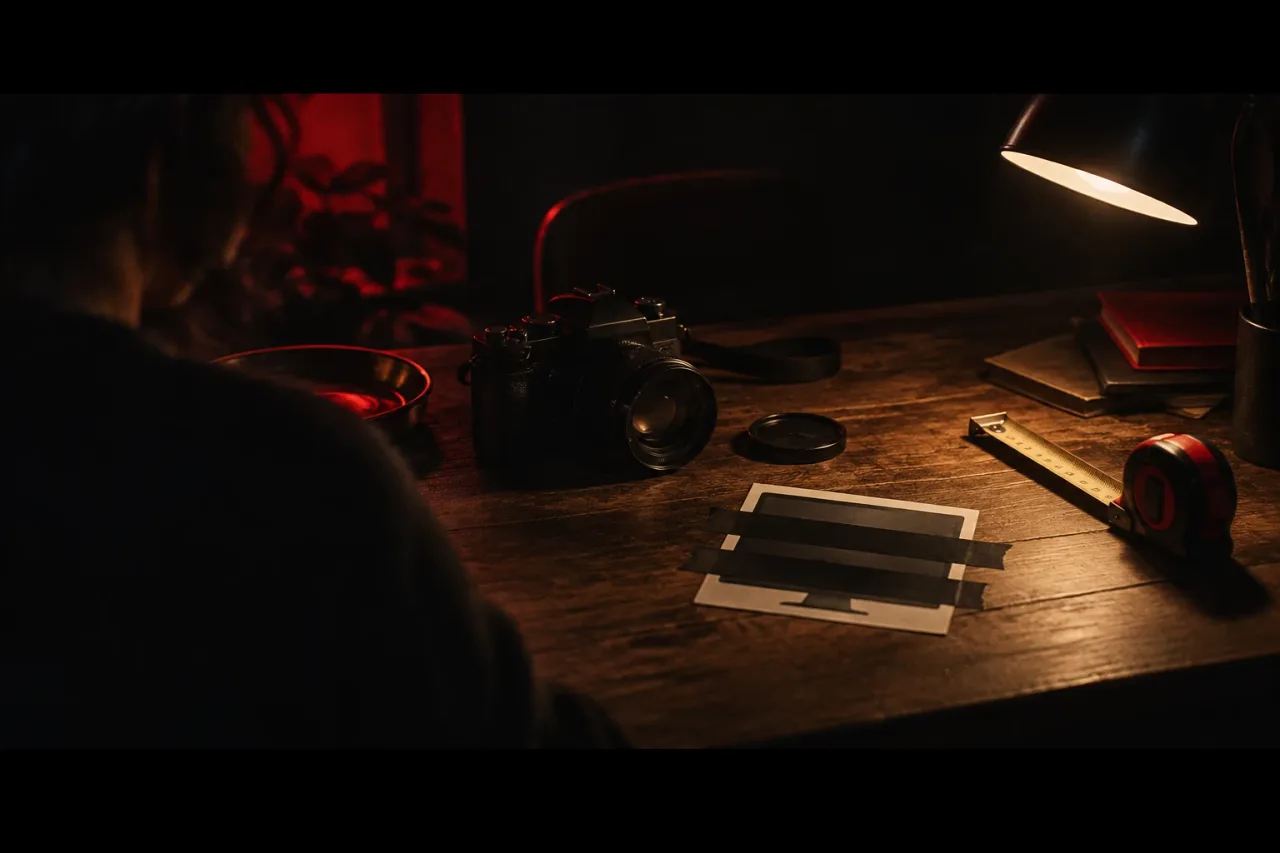
- Mark the crop on your monitor or phone screen with two strips of tape, or use your camera’s frame guides if it has them. At 2.39:1 you lose about 13 percent of the height from the top and again from the bottom.
- Put the singer’s eyes on the top third line of the cropped frame, and keep hands, props and microphones inside it.
- In the edit, set the crop once and hold each shot for four to six seconds on a slow song. Any editor will do. DaVinci Resolve is free.
When it does not work
The problem is the phone held upright. A 2.39:1 picture in a 9:16 frame at 1080 pixels wide is about 452 pixels tall, under a quarter of the screen. The singer’s face becomes small and the rest is black.
Make a second cut instead. Shoot wide, keep the important action near the centre, and reframe each shot to 9:16 as its own edit. Muzie produces portrait 9:16 by default and widescreen for YouTube, so the two shapes are both available if you are building a performance from a photo.
4:3 for a home-video feel
4:3 is nearly square, with a slight lean to the side. It looks like a camcorder tape or a family birthday, and it keeps a face large in the frame. A bedroom, a kitchen table or a back garden suits it, with a warm 3200K lamp in shot as a practical light.
It works best for a song about memory or a person who is no longer in the room. Shoot it deliberately, with the singer close and the background cluttered, and it will look chosen rather than cheap.
The common mistake
The usual error is cropping footage that was never framed for the crop. The top of the head disappears, or a lyric prop sits in the part that gets cut. Check the guide marks on the first shot of the day, not in the edit.
The second error is mixing ratios by accident. Switching from 2.39:1 to 4:3 for a flashback is a decision and can land on a chorus. Switching because one clip came from a different camera looks like a mistake. If you are still choosing the overall look, the one-page treatment guide is the place to write the ratio down.