
Letterbox
Also called: letterboxing, widescreen bars, black bars
What it means
A letterbox is the black bars above and below a wide picture. The image is wider than the frame it sits in, so the frame fills the leftover space with black. The usual case is a 2.39:1 image inside a 16:9 frame. On a 1920 by 1080 frame, the picture is 1920 wide and about 803 tall, with roughly 139 pixels of black at the top and the same at the bottom.
What it looks like
The bars read as cinema because films have long been shown in wide shapes. The eye sees black edges and expects a story.
- A band in an empty warehouse, shot wide. The singer stands on the left third, the drummer on the right, and bare floor runs between them. The bars make the room feel long.
- A slow push-in on a face in a kitchen, lit by one 3200K lamp. With the bars on, the ceiling and the worktop disappear. The face and the lamp stay.
- The same video on a phone held upright. A 16:9 file with bars plays as a thin strip, under a quarter of the screen height. The singer’s face is the size of a thumbnail.
That last one is where letterbox hurts. On a small upright screen, the black takes space and the picture loses size.
What tends to help
Compose for the wide shape before you shoot. If you film in 16:9 and add the bars later, you lose about a quarter of the picture height, so keep faces and hands away from the top and bottom edges.
A ballad suits the bars. A fast video with ten cuts a bar does not gain much from them. Keep them on for the whole video, or leave them off. Switching halfway through a song looks like a mistake.
Check the cut on a phone before you commit. If the video is for upright viewing, make a separate 9:16 version with no bars and reframe each shot.
Any editor can add the bars. DaVinci Resolve is free, and it sits in our free kit for making a music video.
Where the term comes from
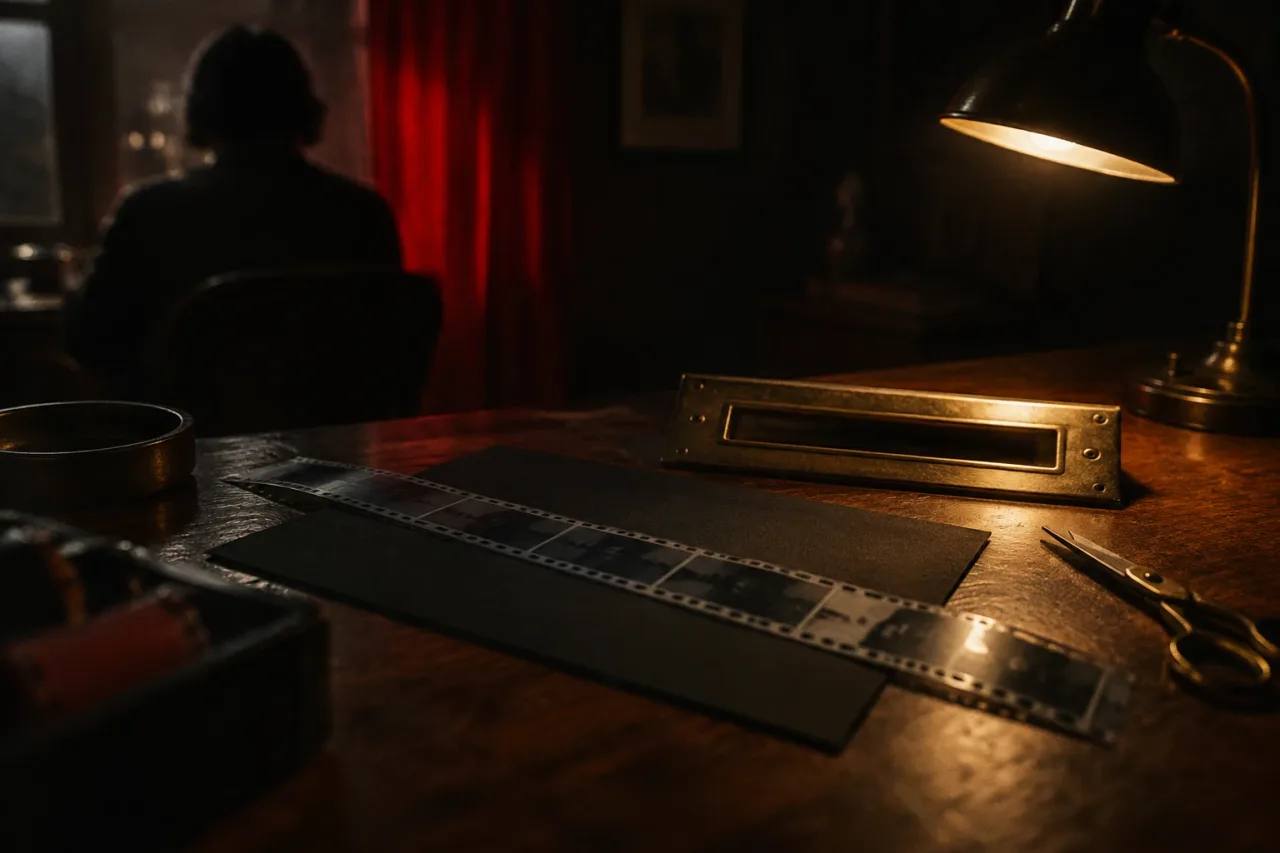
It comes from the slot in a front door where the post goes in. A wide picture with black above and below has the same long, thin shape.